

Home health ot is a meaningful part of healthcare because it brings therapy into a person’s real living space. Instead of working only in a clinic, the therapist sees how someone moves, cooks, bathes, dresses, and manages daily routines at home.
This work can be very practical. It can help older adults, injured patients, people with disabilities, and people recovering after hospital stays. The U.S. Bureau of Labor Statistics says occupational therapists help people develop, recover, improve, and maintain skills for daily living and working. That is why home health ot can feel so personal and useful.
Home Health Ot Salary
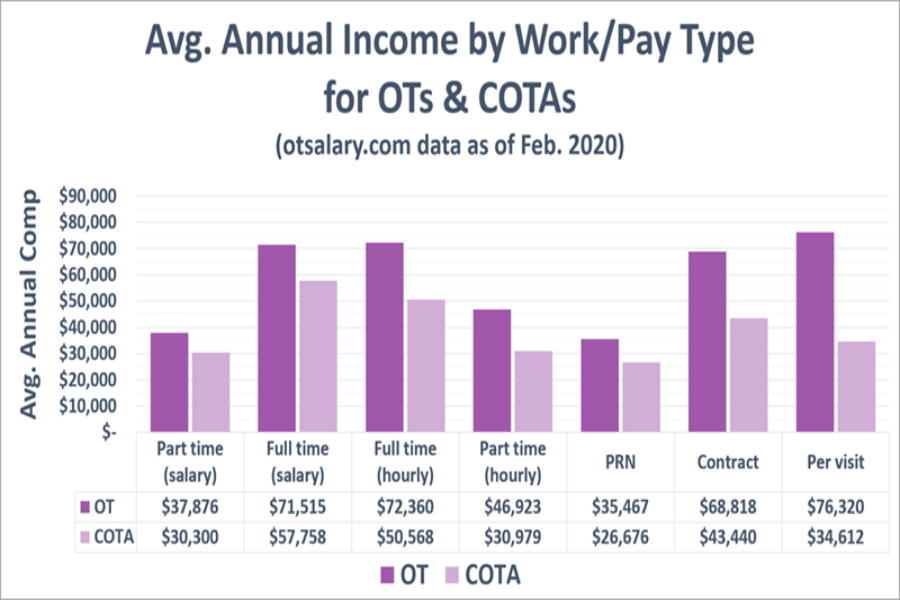
Home health ot salary can vary by location, experience, employer, visit type, and work schedule. Some therapists are paid hourly. Some are paid per visit. Some full-time roles include benefits, mileage support, and documentation time. The median annual wage for occupational therapists was $98,340 in May 2024, the U.S. Bureau of Labor Statistics said. That gives a useful national view, but local pay can still look different.
Home health roles may pay well because the work includes travel, independence, documentation, and patient safety decisions inside the home. It is not only therapy time. A therapist may drive between homes, call doctors, update care plans, and speak with family members. Before choosing a home health ot job, it helps to ask about mileage, productivity rules, cancellation pay, training, and support from the agency.
Ot Mens Health
Home health ot can also connect with men’s health in everyday ways. Some male patients may need help after surgery, stroke, injury, heart problems, or age-related decline. The goal is not only exercise. It is helping the person return to normal routines such as bathing, dressing, cooking, driving preparation, work tasks, or safer movement at home.
This area can also include sensitive topics. Some men may feel uncomfortable asking for help with personal care or home safety. A good therapist uses respect and simple communication. The focus stays on independence and dignity. In real life, home health ot works best when the patient feels heard, not judged. Small changes at home can often make daily life feel safer.
Home Health Care Ot

Home health ot in home health care usually starts with an evaluation. The therapist looks at daily activities, home safety, fall risk, equipment needs, strength, balance, cognition, and support from family or caregivers. AOTA has a home health evaluation checklist that reminds therapists to address key areas during evaluation while still using clinical judgment.
After the evaluation, the therapist may teach safer ways to shower, dress, cook, move around the house, or use adaptive tools. They may suggest grab bars, raised toilet seats, shower chairs, reachers, or changes to furniture layout. This is where home health ot feels different from clinic therapy. The therapist is not guessing from a treatment room. They are seeing the real home and real problems.
Mental Health Ot Assessments
Home health ot may include mental health awareness because mood, memory, motivation, and anxiety can affect daily living. Sometimes a person is physically able to do a task but chooses not to because they are afraid, depressed, sleep deprived, confused or lack confidence. Occupational therapy considers how these factors impact real life routines and participation in everyday life.
AOTA describes occupational therapy in mental and behavioral health as helping people build skills and participate in meaningful activities. Mental health OT assessments may look at routines, coping skills, social participation, sensory needs, safety, and daily function. In home care, this can be especially useful because the therapist sees the person’s real environment and habits.
Skills Needed For This Career
A strong home health ot needs clinical skill, patience, and good judgment. The therapist often works alone in the home, so they must notice safety issues quickly. They need to understand transfers, daily living tasks, assistive equipment, caregiver training, and documentation. They also need to explain things in a way patients and families can actually use.
People skills matter just as much. Some homes are clean and calm. Others are crowded, stressful, or hard to move through. A therapist has to stay respectful in every setting. They may also need to work with nurses, physical therapists, speech therapists, doctors, and social workers. A good home health ot is flexible because each home visit can feel different.
Challenges In Home Health Ot
Home health ot can be rewarding, but it is not always easy. Travel can be tiring. Schedules can change during the day. Some patients may cancel visits. Documentation can take time after work hours if the agency does not plan well. Weather, traffic, parking, and unsafe neighborhoods can also affect the day.
Another challenge is emotional weight. Therapists may see patients who are lonely, scared, or struggling with major life changes. They may also see family stress up close. This work needs boundaries and self-care. The positive side is that progress can feel very real. When a patient showers safely again or cooks a simple meal alone, the value of home health ot becomes easy to see.
Read More: 550+ Swinger Captions 2026: Bold, Fun & Trendy Lines for Instagram
Final Thoughts
Home health ot is a career path that blends therapy, problem-solving, communication, and real-life care. It is not only about exercises or checklists. It is about helping people live better inside the place where they spend most of their time. That makes the work practical and often deeply personal.
For someone thinking about this field, the best step is to understand both sides. The pay can be strong and the work can feel meaningful. At the same time, the job brings travel, paperwork, and independent decision-making. If you like helping people in real settings, home health ot can be a rewarding path.
FAQs About Home Health Ot
Q1. What is it that a home health OT does?
A home health OT helps people manage daily activities at home. This can involve bathing, dressing, cooking, walking safely and using useful equipment.
Q2. Does home health OT only apply to the aged?
No, older people are one of the most typical patients, but younger people also require it after an injury, sickness, surgery or disability.
Q3. What is a home health OT’s salary?
The pay is subject to geographic variation, experience, and employer. Some positions are paid by the visit and some are paid hourly.
Q4. Is Home Health OT a Difficult Career?
It can be difficult due to the travel, paperwork and changing home environments. Nevertheless, countless therapists believe that the work is significant.
Q5. Which skills are useful for home health OT?
Communication skills, safety awareness, patience and problem solving are important. The therapist must also have great clinical judgment.
Q6. Is mental health in the home something OT can assist with?
Yes. When mental health impacts daily functioning, OT can help with routines, coping, confidence and daily functioning.
Q7. Does home health OT include home safety checks?
Yes. A therapist may note the following: fall risks, bathroom issues, furniture issues, and equipment needs.
Q8. Is home health OT right for me?
Can be an appropriate option for therapists who prefer independence and hands-on therapy. It is suitable for individuals who like to work in actual home environments.